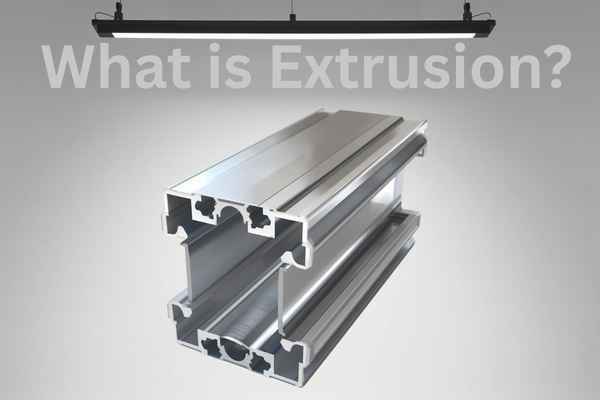
Aluminium extrusion is one of the most widely used manufacturing processes in the aluminium industry. It enables manufacturers to produce complex cross-sectional profiles with high precision, consistency, and strength — used in everything from window frames to solar structures.
What is Aluminium Extrusion?
Aluminium extrusion is a manufacturing process where heated aluminium metal is forced through a specially designed die to create a profile with a fixed cross-sectional shape. The die acts like a mould — it determines the final shape of the extruded profile.
Step-by-Step Aluminium Extrusion Process
The extrusion process follows a precise sequence of steps to transform a raw aluminium billet into a finished profile:
- Aluminium billet is heated to around 400–500°C in a furnace
- The heated billet is transferred and loaded into the extrusion press container
- A powerful hydraulic ram pushes the billet toward the die with high pressure
- Softened aluminium flows through the shaped die opening
- The extruded profile exits the press and is cooled — typically by air or water quench
- The profile is stretched (to relieve stress and straighten), then cut to required lengths
- Optional: ageing treatment applied to achieve the required temper (e.g. T5 or T6)
Types of Aluminium Extrusion
Direct Extrusion
The most common method. The ram and the aluminium billet both move in the same direction toward the stationary die. Simple, reliable, and suitable for most profile shapes.
Indirect Extrusion
In this method the die moves toward the stationary billet rather than the other way around. This reduces friction between the billet and the container, resulting in lower extrusion force requirements and can improve surface finish on certain profiles.
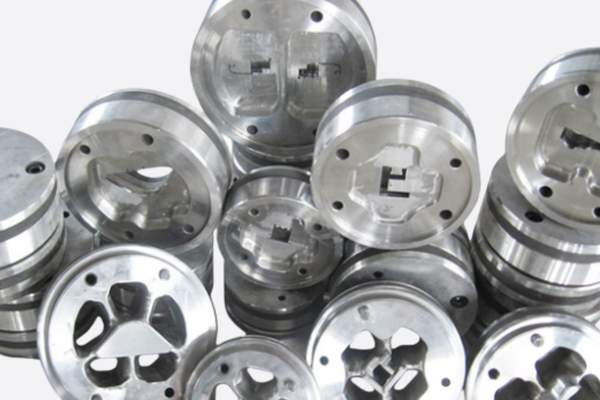
Types of Dies Used in Extrusion
The type of die used depends entirely on the cross-sectional shape of the profile needed:
- Solid Die (Flat Die) — Used for solid profiles like angles, flats, channels and rods. The simplest and most economical type of die.
- Hollow Die (Porthole Die / Bridge Die) — Used for tubes and fully enclosed hollow sections. The die has internal bridges that the aluminium flows around and welds back together inside.
- Semi-Hollow Die — Used for profiles that are almost enclosed but have a small gap. More complex than solid dies but simpler than full hollow dies.
Where Aluminium Extrusion is Used
Extruded aluminium profiles are found in nearly every modern industry due to their lightweight, strength, and corrosion resistance:
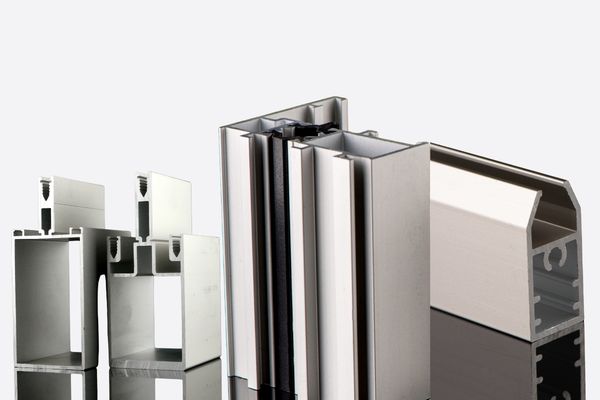
- Construction — doors, windows, curtain walls, partition systems
- Automotive — structural components, crash management, heat exchangers
- Solar energy — mounting frames, rail systems for solar panels
- Electrical — busbar housings, LED heatsinks, enclosures
- Furniture — modular furniture frames, wardrobe shutters
- Industrial — conveyor frames, machine guards, T-slot profiles
Advantages of Aluminium Extrusion
- Lightweight yet strong — high strength-to-weight ratio vs steel
- Corrosion resistant — aluminium naturally forms a protective oxide layer
- Design flexibility — complex profiles possible in a single extrusion
- Cost effective — low tooling cost for dies compared to other processes
- Recyclable — aluminium can be fully recycled without quality loss
- Surface finish options — mill, anodised, powder coated, PVDF available
Calculate Your Profile Weight
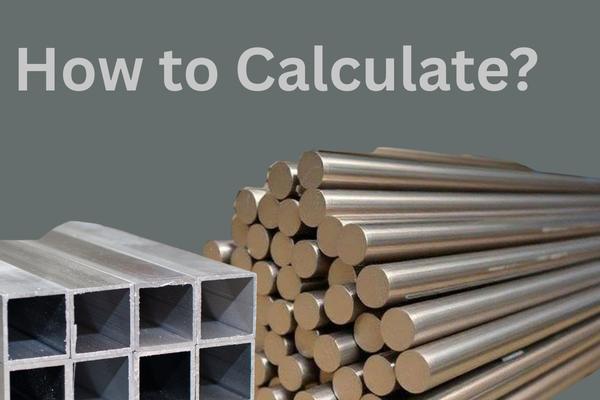
Once you know the extrusion profile dimensions, use our free weight calculator to estimate the weight per metre for any standard aluminium section.
⚖️ Use Free Weight Calculator →Conclusion
Aluminium extrusion is a versatile and efficient manufacturing process that enables the production of strong, lightweight profiles used across construction, automotive, solar, and many more industries. Understanding how extrusion works — from billet heating to die selection — helps engineers, buyers, and manufacturers make better decisions when specifying or sourcing aluminium profiles.